International Women’s Day: The Enduring Fight for Female Historical Representation
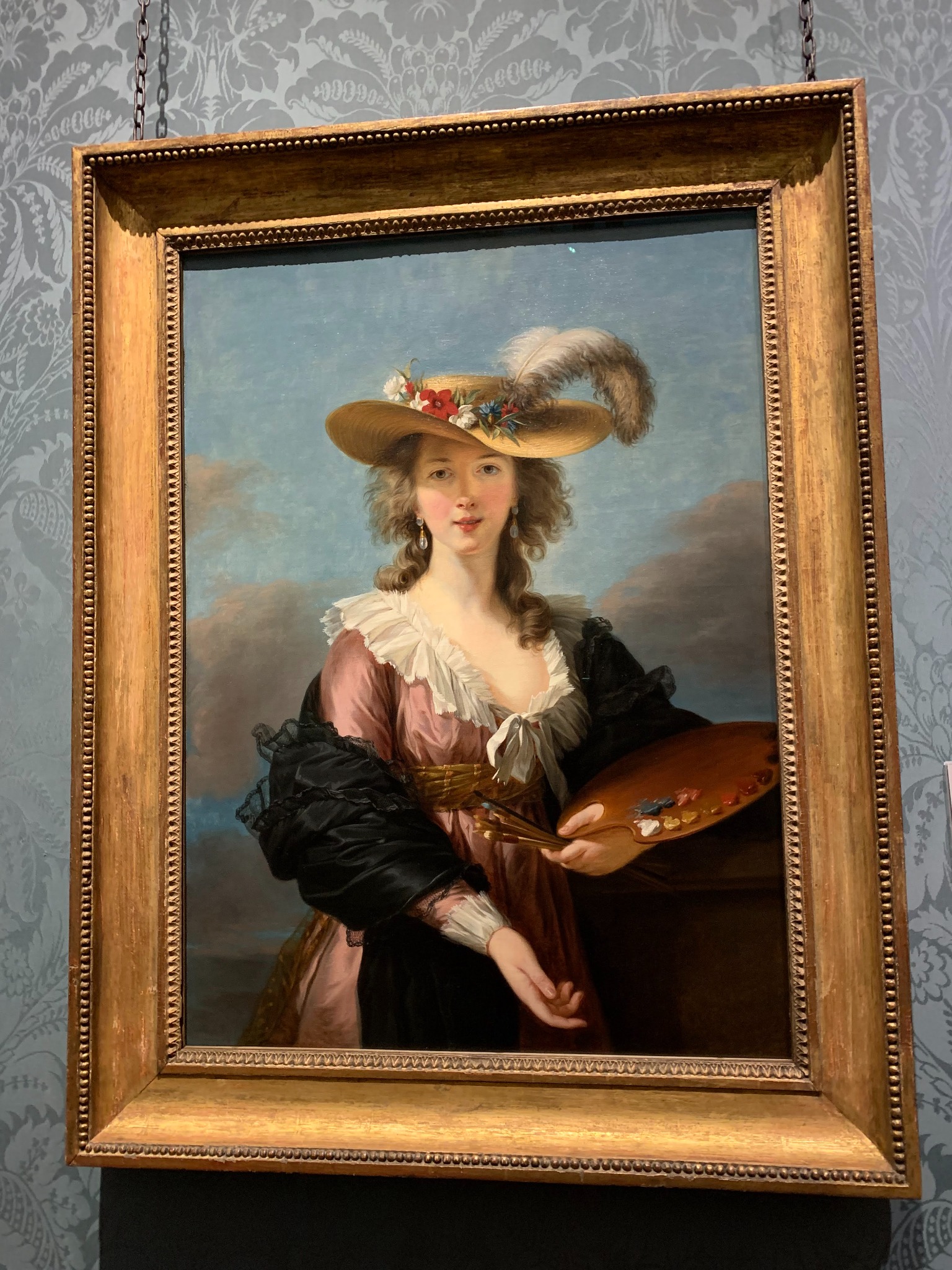
After walking through corridor after corridor at the National Gallery in Trafalgar Square, you finally find it. Hanging on a baby blue wall, with tools in hand and hopeful eyes, is the self-portrait of Elisabeth Louise Vigée Le Brun. Her painting is one of just 21 works by women among the 2,300 pieces showcased in the gallery. For tour guide Becky Laxton-Bass, this stark disparity is “outrageous.”
Laxton-Bass’s journey into women-focused tours began in 2018, during the centenary of the Representation of the People Act, the law granting some women in Britain the right to vote. Inspired by this milestone, she organised special tours to celebrate women’s contributions to history.
“I just loved doing it; it was so much more interesting to talk about all these forgotten stories,” she recalled.
What started as a one-off event grew into a long-term venture.
When discussing women’s contributions to history, the narrative often centres on royalty or suffragettes. But what about working-class women who fought for better rights, or women excelling in other fields? This lack of representation drove Laxton-Bass and others to reframe the way history is told.
Through her company, Women of London, she aims to provide a fresh perspective. “I wanted to offer a different view of London’s history, a way to learn about the city through the achievements of women,” she explained while sitting in a café opposite one of her workplaces, the British Museum. This iconic location is home to one of the five tours her company offers.
Not far away, another of her tours at the National Gallery commemorates International Women’s Day. The Women in Art tour highlights “the very few” female painters in the collection, celebrating their persistence in pursuing a career that defied social norms.
“There are some great female painters in the collection who managed to achieve something remarkable in a society that wasn’t built for them,” Laxton-Bass said.
Art is just one area where women remain underrepresented. According to a BBC report in 2018, only 174 of the 828 statues recorded by the Public Monuments and Sculpture Association depicted women. Of those, just 80 were named, compared to 534 named male statues.
This disparity caught the attention of Terri Bell-Halliwell, creator of the inVISIBLE Women project, which advocates for gender equality in civic statuary. Her realisation came when she passed the Women of World War II memorial in London.
“This memorial reduced the lives of these brave women to the contents of their wardrobes,” she said.
Since launching the project, Bell-Halliwell has seen the rate of women’s statues increase “tenfold.” From 1867 to 2015, an average of 0.6 women’s statues were erected annually. Between 2016 and 2021, this figure rose to six per year. Bell-Halliwell believes representation matters: “Role models make a difference; we cannot let ourselves be airbrushed out of history.”
The fight for representation is long-standing. International Women’s Day itself originated from protests in 1908, when women in New York demanded shorter working hours, better pay, and voting rights. The holiday was officially established in 1917, following Russian women’s protests for “bread and peace” on 8 March.
For some women, the fight began even earlier. In London’s East End, the Matchgirls’ Strike of 1888 saw teenage girls and women protest against 14-hour shifts and poor working conditions at Bryant and May’s match factory. Their efforts led to significant industrial reforms.
Samantha Johnson was shocked to discover her connection to this historic event. While researching her family name online, she came across a thesis about Sarah Chapman, a leader of the strike and Johnson’s great-grandmother. This discovery inspired Johnson and historian Dr Anna Robinson to create the Matchgirls Memorial, aimed at preserving the strike’s legacy.
Their next goal is to erect a statue honouring the matchgirls and their enduring influence.
“If people hadn’t taken strike action, we’d still be working 12-hour days. There wouldn’t be such a thing as a weekend,” Robinson emphasised. She believes it is crucial to remember the struggles of the past, both to appreciate today’s rights and to inspire future activism. “These stories show people that their actions can make a difference.”
Johnson agrees, stressing the importance of celebrating the “wonderful things women did” as a source of inspiration, particularly for young girls.
While International Women’s Day is often seen as a celebration of progress, the fight for equality continues. For Johnson, the struggle is ongoing, echoing the hopeful determination seen in Elisabeth Louise Vigée Le Brun’s self-portrait.
“I think everyone would agree we’ve still got a way to go.”
Post a comment