Joga Sinistro: Brazil’s New Cultural Wave
Recently Brazil has been dominating the mainstream: passinho dances on TikTok, Gringo vlogs in Rio and London streets filled with yellow, green and blue of Brazil Football shirts, but do you know what the football culture means to Brazil?
A new collab between Jordan, Nike and Confederação Brasileira de Futebol launched ahead of the World Cup, combining the new national team kit with streetwear. The new jersey marks a new chapter in Brazil’s football identity, transcending sport and stepping into the fashion arena -the first time that the Jumpman logo has been displayed on the shirts. The “Joga Sinistro” shirt draws on Brazilian fauna for its patterns and echoes “Joga Bonito,” popularised by Pelé, Ronaldinho, and Garrincha. Unknowingly, people around the world are wearing Brazil’s history on their chests.
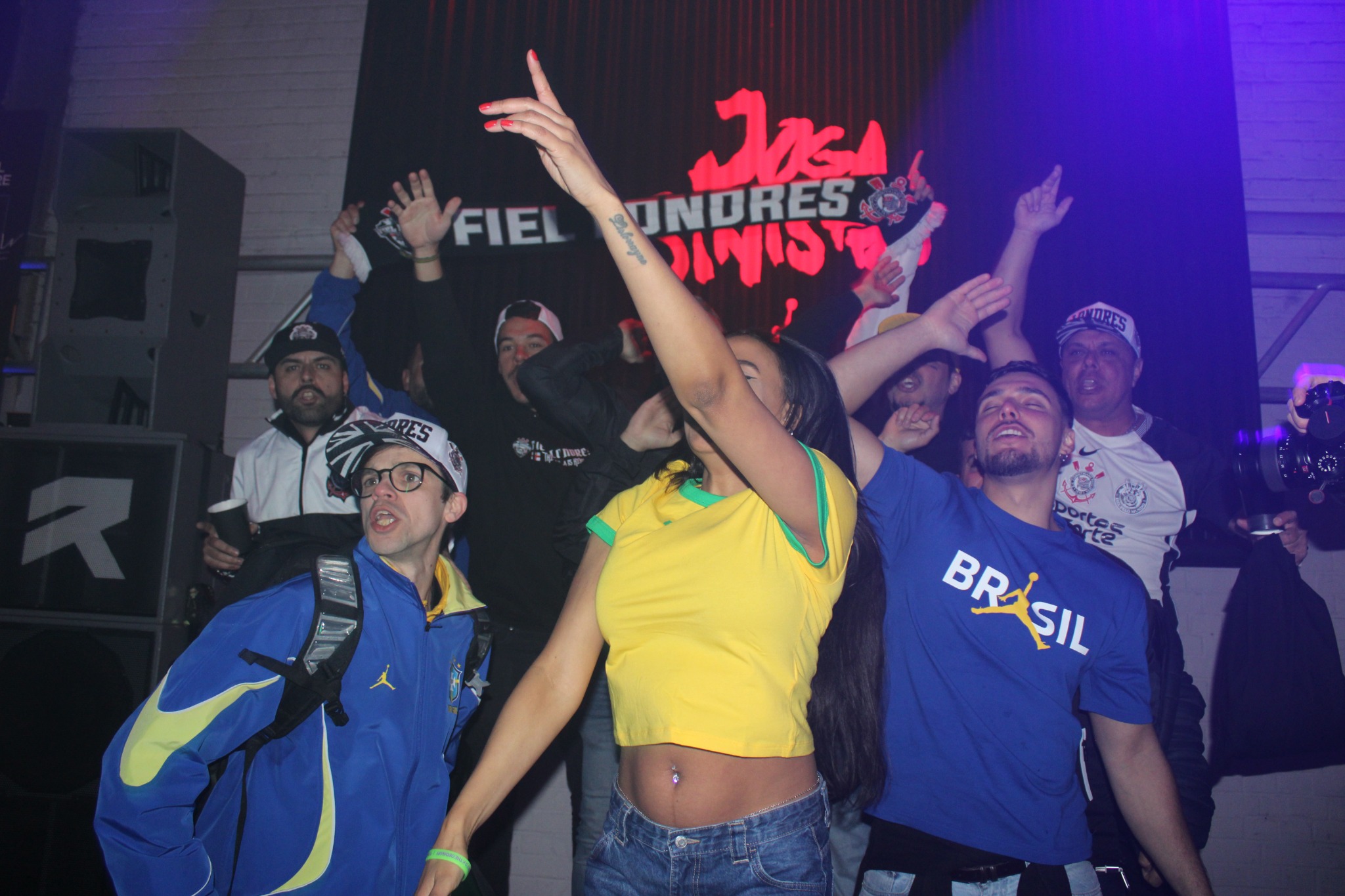
In London, the launch was celebrated in the most Brazilian way: a Jordan event transformed into a Baile Funk: a dance party rooted in favela culture. Long criminalised, Brazilian funk is an Afro-diasporic electronic genre. I went along to see how Brazilian football culture is spreading globally and being reinterpreted through fashion, music, and diaspora communities.
Waiting in the queue, I met a lively group of fans chanting Corinthians’ anthems, one of the biggest teams from the state of São Paulo. Fiel Londres is a group dedicated to supporting the team. Removing a cap that read “the favela is here,” Vinicius De Souza, spokesperson for the group, began explaining the importance of football for Brazil: “It is something that speaks to the passion of the Brazilian nation - even here in London, it is still present.” Julio Brino, organiser, highlighted football’s roots in peripheral communities being central to the sport’s identity: “most of us come from humble backgrounds” he said, the so called “slums” often talked about with stigma and prejudice “can be beautiful” and for Fiel Londres “it is an honour” to see people like themselves being represented through football, breaking these rooted stereotypes.
As Brazil grows in popularity, questions arise: is it genuine appreciation or merely a trend? Influencer Pedro Augusto Curvellano, who runs the Livrestrada social media channel and describes himself as someone who “above all loves to be Brazilian,” stresses that while showcasing Brazil is important, we must be careful not to over-simplify a culture that is “vast and deeply diverse.”
Still, Brazil’s ambassador to London, João Alfredo dos Anjos, sees value in this visibility. Referring to Funk, he said: “We need to treat this cultural expression with the value that it deserves.” For him, it was important to see so many young Brazilians embracing their identity abroad.
Brazilian culture may be travelling further than ever: across TikTok feeds, football pitches, and dance floors in cities like London, but its meaning remains rooted in lived experiences. Influencer, Otavio Piazzi joked, said the launch event showed the nation at its best: “This is Brazil: funk, samba, eagerness and above all football.” And he joked that with the new shirt, Brazil will certainly become “sixth-time champions” at the 2026 World Cup.
Post a comment